There are hundreds of agencies who promise higher Google rankings, more traffic, and more customers.
Some show impressive case studies.
Others promise page-one rankings in 30 days.
A few even guarantee specific positions in Google.
But here is the problem:
Not every SEO agency is a good fit for a small business.
Small businesses usually have limited budgets, smaller teams, and less room for mistakes.
The wrong agency can waste months of time and thousands of dollars without producing useful results.
The right agency can do the opposite. It can improve your website, bring in qualified visitors, and help your business compete with larger companies.
So how do you tell the difference?
This guide explains exactly what to look for when choosing an SEO agency for your small business.
You will learn what questions to ask, which red flags to avoid, how to compare agencies, and what a good SEO partnership should look like.
Table of Contents
What Does an SEO Agency Do?
An SEO agency helps improve your website so it can appear higher in search engine results.
A good agency usually works on several areas of SEO, including:
- Keyword research
- On-page SEO
- Technical SEO
- Content optimization
- Optimize Google Business Profile
- Internal linking
- Local SEO
- Link building
- Competitor research
- SEO reporting
- Conversion optimization
The exact work depends on your business.
For example, a local plumber may need strong local SEO, service pages, Google Business Profile optimization, and local citations.
An online store may need product page optimization, technical SEO, category page improvements, and content.
A B2B company may need keyword research, thought-leadership content, technical SEO, and authority building.
That is why you should not choose an agency simply because it has a long service list.
Choose an agency that understands your business model and your customers.
Step 1: Define Your SEO Goals First
Before contacting an SEO agency, decide what you want SEO to accomplish.
This sounds simple, but many businesses skip it.
They say:
“We want more traffic.”
Traffic can be useful, but traffic alone is not the goal.
You want traffic that helps your business.
A local dental clinic may want more appointment requests.
An online store may want more product sales.
A software company may want more demo bookings.
A home service business may want more phone calls.
Your goal should connect SEO with an actual business result.
Examples of Better SEO Goals
Instead of:
“I want 50,000 visitors per month.”
Try:
“I want SEO to generate 30 qualified leads per month.”
Instead of:
“I want to rank for 100 keywords.”
Try:
“I want to rank for keywords used by people looking for our services.”
This makes it easier to evaluate an agency.
You can ask:
“How will your SEO strategy help us reach this goal?”
A strong agency should give you a clear answer.
Step 2: Choose an Agency That Understands Small Businesses

A major mistake is choosing an agency that mainly works with large corporations.
Large companies often have huge budgets and large websites.
Their SEO strategy may involve thousands of pages, large content teams, international campaigns, and expensive digital PR.
Your business may need something completely different.
A small business usually needs to focus on the opportunities that can generate the biggest impact with a limited budget.
That could include:
- Improving important service pages
- Targeting low-competition keywords
- Optimizing local search visibility
- Fixing technical problems
- Improving internal links
- Creating useful commercial content
- Building relevant links
- Optimizing existing pages
The best agency is not necessarily the biggest agency.
It is the agency that can build a strategy around your resources, market, and goals.
Smaller regional agencies, such as AzureSky Web Creations in Greece, often understand local markets and budgets better than large international firms.
Step 3: Check Their Experience in Your Industry
Industry experience is not mandatory.
A great SEO agency can learn a new industry.
However, relevant experience can reduce the learning curve.
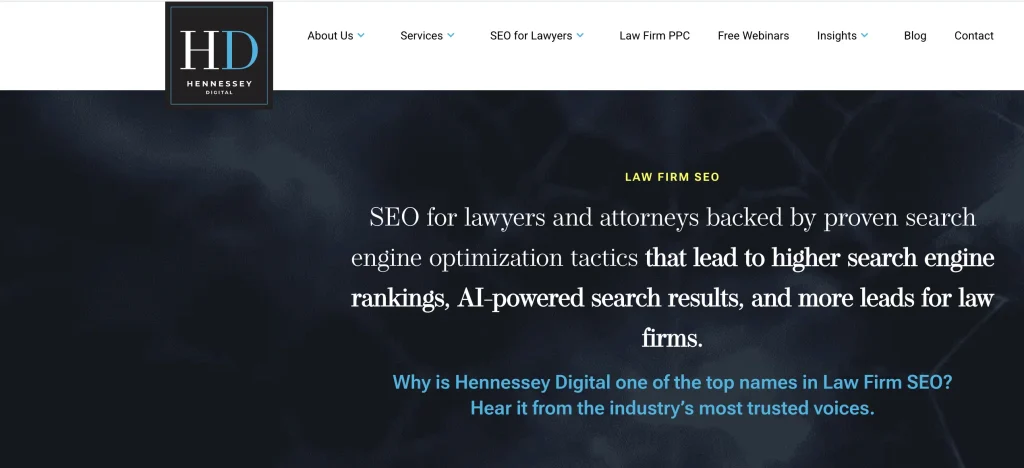
Suppose you run a law firm.
An agency that has already worked with professional service businesses may understand:
- How potential clients search
- Which pages usually convert
- How to structure service pages
- Which competitors matter
- What type of content attracts leads
Ask the agency:
“Have you worked with businesses similar to mine?”
Then ask for examples.
Do not stop at the company names.
Ask:
“What was the problem?”
“What did you change?”
“What happened afterward?”
These questions tell you much more than a logo collection on an agency website.
Step 4: Study Their Case Studies
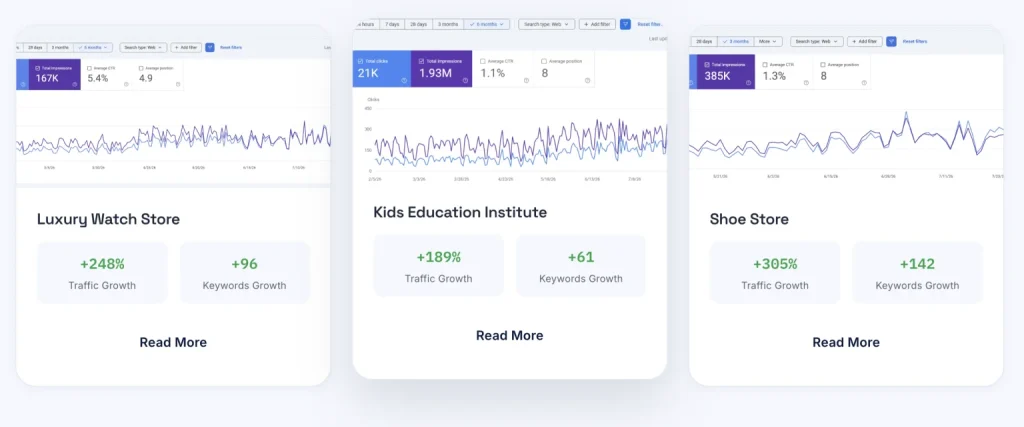
Case studies can help you separate real results from marketing claims.
But you need to know what to look for.
A weak case study might say:
“We increased organic traffic by 300%.”
That sounds impressive.
But you still do not know:
- How much traffic the site had before
- Whether the traffic was relevant
- How long the campaign took
- Which keywords improved
- Whether leads or sales increased
- What work the agency actually performed
A stronger case study gives context.
Look for information such as:
Starting Point
What was the website like before the campaign?
Problem
What prevented the website from growing?
Strategy
What actions did the agency take?
Timeline
How long did the campaign run?
Results
What changed in rankings, traffic, leads, or revenue?
Business Impact
Did the company actually gain customers?
The final point is especially important.
SEO traffic is not the same as business growth.
A website can receive more visitors and still generate fewer customers.
Step 5: Ask How They Choose Keywords
Keyword research is one of the most important parts of SEO.
But more keywords do not automatically mean better SEO.
Your agency should focus on keywords that match your business.
Imagine you own a local accounting firm.
A keyword like:
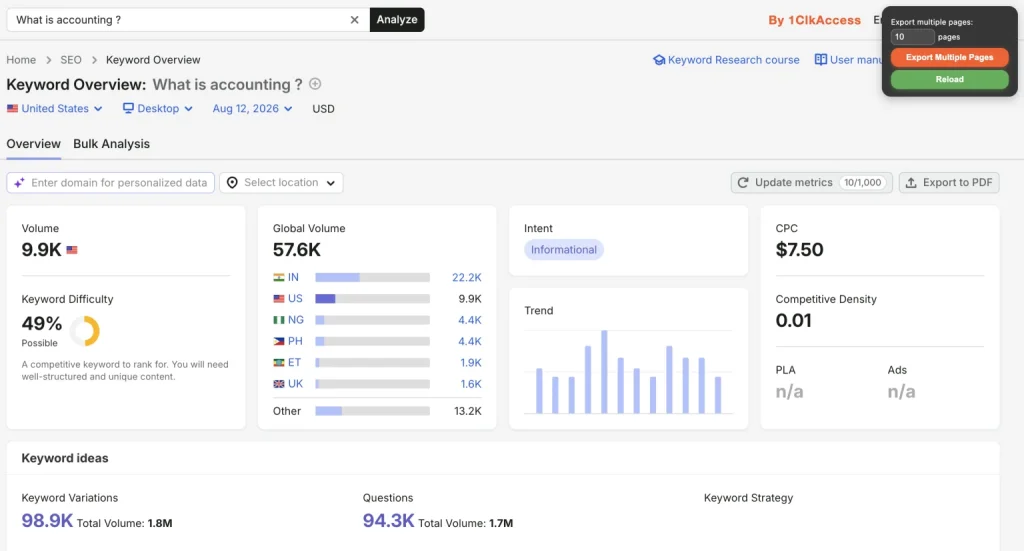
“What is accounting?”
may receive thousands of searches.
But a keyword like:
“small business accountant in [city]”
could be much more valuable.
The second keyword shows stronger commercial intent.
Ask the agency:
“How do you decide which keywords to target?”
A good answer should include factors such as:
- Search intent
- Relevance
- Competition
- Business value
- Location
- Existing rankings
- Conversion potential
Be careful when an agency promises to rank you for a huge list of random keywords.
More keywords are not the objective.
The objective is to attract the right people.
Step 6: Ask for Their SEO Process
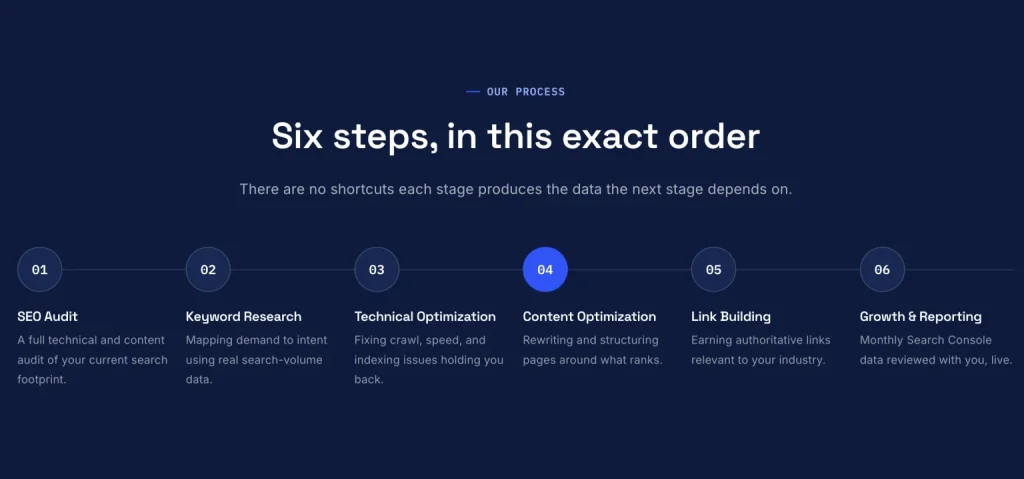
A professional agency should be able to explain what happens after you become a client.
You do not need a complicated technical presentation.
You need a clear process.
A typical SEO campaign may include:
SEO Audit
The agency reviews your website to identify technical and content problems.
Keyword Research
The agency identifies search terms that match your products, services, and customers.
On-Page Optimization
Important pages are improved for search intent, structure, content, titles, headings, links, and relevance.
Technical SEO
The agency checks crawling, indexing, site architecture, page performance, redirects, canonicalization, structured data, and other technical factors.
Content Strategy
The agency identifies topics that can attract relevant search traffic and support your commercial pages.
Link Building
The agency works to earn relevant links from other websites.
Measurement
The agency tracks important metrics and reports progress.
The exact process will differ by business.
That is okay.
What matters is whether the agency can explain why each part of the strategy matters.
Step 7: Ask Who Will Actually Work on Your Account
This question is often ignored.
You may speak to an experienced SEO strategist during the sales call.
Then, after signing the contract, your account may be handed to someone with very little experience.
Ask:
“Who will manage my SEO campaign?”
Then ask:
“How much direct contact will I have with that person?”
Also ask whether the agency uses:
- In-house employees
- Freelancers
- Contractors
- Offshore teams
- Automated systems
There is nothing automatically wrong with outsourcing.
The important thing is quality control.
You should know who is responsible for your campaign.
Step 8: Ask What They Need From You
SEO should not always be completely hands-off.
Sometimes the agency needs information from you.
For example, you may need to provide:
- Product details
- Service information
- Brand guidelines
- Industry knowledge
- Customer questions
- Images
- Business data
- Content approval
A good agency will explain your role before the campaign starts.
This matters because unrealistic expectations can create problems later.
For example, if the agency expects you to approve content within two days but your business team takes two weeks, the campaign may slow down.
Clear responsibilities create a better partnership.
Step 9: Avoid Agencies That Guarantee Google Rankings
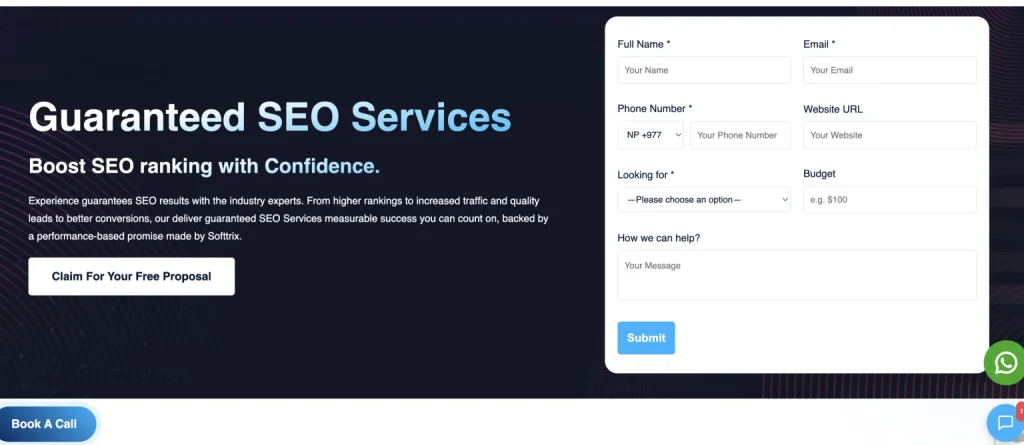
Be careful with guarantees such as:
“We guarantee number one on Google.”
No reputable SEO agency can control Google’s algorithm or guarantee a specific organic ranking.
Search results depend on many factors, including competition, search intent, website quality, authority, location, and algorithm changes.
A better agency will discuss probabilities, opportunities, and expected outcomes.
They may say:
“These keywords have strong potential based on the competition and your current website.”
That is much more realistic than:
“We guarantee number one.”
A guarantee can sound attractive.
It should also make you suspicious.
Step 10: Watch Out for “Instant SEO” Promises
SEO usually takes time.
Some changes can produce quick improvements. For example, fixing a major technical problem or optimizing an already-ranking page can sometimes create noticeable results.
But sustainable SEO growth often requires ongoing work.
That may include:
- Publishing content
- Improving pages
- Building authority
- Fixing technical issues
- Updating older content
- Improving internal linking
- Monitoring competitors
Be cautious when an agency promises massive results in a few weeks without explaining how.
Ask:
“What can realistically happen in the first 90 days?”
A professional agency should be able to give you a realistic roadmap.
Step 11: Understand Their Link Building Strategy
Links can help search engines understand authority and relevance.
But not all links are equal.
This is one of the areas where bad SEO agencies can cause serious problems.
Ask:
“How do you build backlinks?”
Listen carefully to the answer.
A strong agency should explain how it earns relevant links.
Potential methods may include:
- Digital PR
- Expert contributions
- Resource outreach
- Industry partnerships
- Useful data studies
- Linkable content
- Relevant editorial placements
Be very careful with promises like:
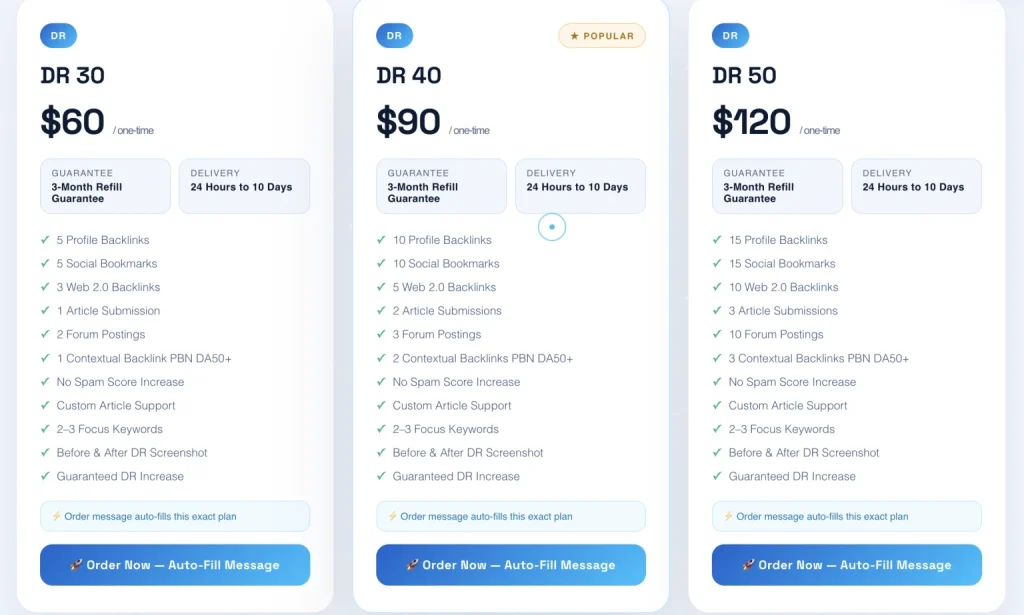
“We will build 5,000 backlinks every month.” They will generally buy spam backlinks from reseller and trash your site.
That number sounds impressive.
It may not be useful.
One relevant editorial link can be more valuable than hundreds of low-quality links.
Do not choose an agency based on backlink volume alone.
Step 12: Ask What They Do About Content
Content is a major part of many SEO campaigns.
But publishing more articles is not always the answer.
A strong agency should understand search intent.
Suppose you sell running shoes.
A blog post about:
“What are shoes?”
probably has little business value.
A better topic might be:
“Best Running Shoes for Flat Feet”
or:
“How to Choose Running Shoes for Beginners”
The content should serve a purpose.
Ask:
“How do you choose topics?”
A good agency should consider:
- Search intent
- Customer problems
- Keyword opportunities
- Existing content
- Internal linking
- Business relevance
- Conversion opportunities
Also ask who writes the content and how it gets reviewed.
Step 13: Ask About Local SEO
For many small businesses, local SEO should be a major priority.
If you serve customers in a specific city or region, you need to be visible when people search for your services locally.
Local SEO can involve:
- Google Business Profile optimization
- Local landing pages
- Review strategies
- Local citations
- NAP consistency
- Local content
- Relevant local links
- Local keyword targeting
Ask the agency:
“How will you improve my visibility in local search?”
A local business should not always focus on broad national keywords.
Dominating a smaller geographic market can be much more valuable.
Step 14: Review Their Reporting
SEO reports should help you understand what is happening.
They should not simply contain a list of numbers.
A useful report may include:
- Work completed
- Ranking changes
- Organic traffic
- Leads or conversions
- Important technical improvements
- Content published
- Links earned
- Opportunities
- Next steps
Be careful with reports filled with vanity metrics.
For example, you might see:
“Domain authority increased from 20 to 35.”
That may be interesting, but it does not automatically mean your business made more money.
Ask:
“How do you measure SEO success?”
The answer should connect SEO performance with business goals.
Step 15: Understand Exactly What You Are Paying For
Before signing anything, make sure you understand the pricing.
SEO agencies may charge:
- Monthly retainers
- Project fees
- Hourly rates
- Fixed packages
- Performance-based fees
There is no universally correct pricing model.
The right choice depends on your business and the work required.
Ask what your monthly fee includes.
For example:
Does it include content?
Does it include technical SEO?
Does it include link building?
Does it include reporting?
Does it include strategy meetings?
Are there extra charges for content or development?
A low monthly price can look attractive until you discover that most important work costs extra.
Step 16: Be Careful With Extremely Cheap SEO Packages

Price matters for small businesses.
But cheap SEO can become expensive when it does not work.
Imagine spending $300 every month for one year.
That is $3,600.
If the agency produces little value, you did not save money.
You lost money.
This does not mean expensive agencies are automatically better.
It means you should evaluate value, not price alone.
Ask:
“What will you actually do each month?”
A specific answer is much more useful than:
“We provide premium SEO services.”
Step 17: Check Reviews and Independent Feedback
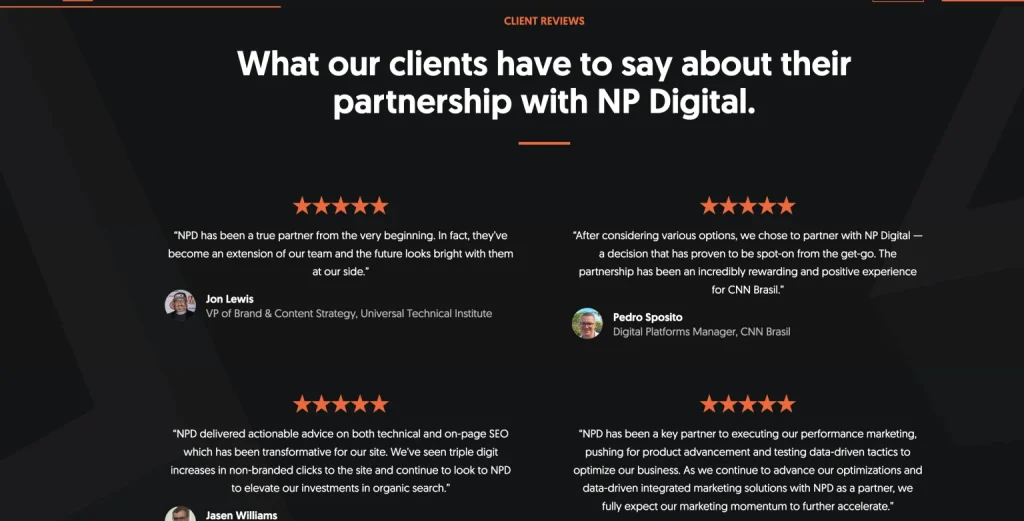
Agency websites usually show their best reviews.
That is normal.
But you should also look elsewhere.
Search for the agency name and look for independent opinions.
Pay attention to repeated patterns.
For example, several customers may mention:
- Poor communication
- Missed deadlines
- Weak reporting
- Long contracts
- Low-quality links
- Difficult cancellation
- Strong customer support
One negative review does not automatically mean an agency is bad.
Look for patterns.
Also examine how the company responds to criticism.
Professional responses can tell you a lot about how the agency treats clients.
Step 18: Ask About Contracts and Cancellation
Read the contract before signing.
Check:
- Contract length
- Cancellation terms
- Notice period
- Refund policy
- Setup fees
- Content ownership
- Website access
- Analytics access
- Reporting
- Deliverables
Some agencies require long contracts.
Others allow month-to-month arrangements.
Neither option is automatically wrong.
But you should understand what you are agreeing to.
Also make sure your business owns important assets.
You should have access to your:
- Website
- Domain
- Google Analytics
- Google Search Console
- Google Business Profile
- Content
- Business accounts
Do not allow an agency to hold your digital assets hostage.
Step 19: Ask What Happens If SEO Does Not Work
This is one of the most useful questions you can ask.
Try:
“What happens if we do not see the expected progress after six months?”
A good agency should not become defensive.
It should explain how it reviews the strategy.
SEO requires testing and adjustment.
Maybe the original keywords were too competitive.
Maybe the website has technical problems.
Maybe the content strategy needs to change.
Maybe conversion tracking was incomplete.
A professional agency should be willing to investigate.
Step 20: Look for an Agency That Explains Things Clearly
SEO can become very technical.
You do not need to become an SEO expert to work with an agency.
But your agency should explain important decisions in language you understand.
Be cautious if someone constantly uses complicated terms to avoid answering simple questions.
Ask:
“Why are you doing this?”
You should receive a clear answer.
For example:
Instead of:
“We are optimizing entity relationships through semantic structures.”
You should hear something like:
“We are improving this page so Google and users can understand exactly what service you provide.”
Clear communication is a major part of a successful SEO partnership.
10 Red Flags to Watch For
Before choosing an SEO agency, watch for these warning signs.
1. Guaranteed #1 Rankings
No one controls Google.
2. Thousands of Backlinks for a Tiny Fee
Quality matters more than raw volume.
3. Huge Traffic Promises
Ask whether the traffic will be relevant.
4. No Clear Strategy
A list of services is not a strategy.
5. No Case Studies
The agency should be able to show what it has done.
6. No Reporting
You should know what work is being completed.
7. Long Contract With No Exit
Understand the commitment before signing.
8. Secretive SEO Methods
You should know the general approach.
9. Black-Hat Tactics
Avoid methods designed to manipulate search engines.
10. Unrealistic Timelines
Be cautious when someone promises major growth almost immediately.
7 Questions to Ask Before Hiring an SEO Agency
You do not need 50 questions.
Start with these:
1. Have you worked with businesses similar to mine?
2. What would you do during the first 90 days?
3. How do you choose keywords?
4. How do you build links?
5. Who will manage my account?
6. How do you measure success?
7. What exactly is included in the monthly fee?
The answers will tell you a lot.
How to Compare Three SEO Agencies
Do not hire the first agency you speak with.
Talk to several agencies.
Then compare them using the same criteria.
For example:
| Factor | Agency A | Agency B | Agency C |
|---|---|---|---|
| Industry Experience | Strong | Medium | Strong |
| SEO Strategy | Clear | Unclear | Clear |
| Case Studies | Strong | Weak | Strong |
| Link Building | Clear | Unclear | Clear |
| Reporting | Monthly | Basic | Monthly |
| Contract | Month-to-month | 12 months | 6 months |
| Price | $1,000 | $600 | $1,400 |
You can also score each agency from 1 to 5 for:
- Strategy
- Experience
- Communication
- Transparency
- Pricing
- Reporting
- Technical knowledge
- Business understanding
The cheapest option should not automatically win.
The most expensive option should not automatically win either.
Choose the agency with the strongest combination of skill, transparency, fit, and value.
What a Good 90-Day SEO Plan Might Look Like
A good agency should have a clear plan for the early stages of your campaign.
Month 1: Research and Fixes
The agency may:
- Audit the website
- Research keywords
- Analyze competitors
- Review analytics
- Check indexing
- Fix major technical problems
- Improve important pages
- Build an SEO roadmap
The goal is to understand the website and fix the biggest problems first.
Month 2: Optimization and Content
The agency may:
- Optimize additional pages
- Publish strategic content
- Improve internal linking
- Create local pages
- Begin outreach
- Strengthen commercial pages
The focus shifts toward growth opportunities.
Month 3: Expansion and Testing
The agency may:
- Continue content production
- Build relevant links
- Update underperforming pages
- Improve rankings
- Analyze conversions
- Test new keyword opportunities
- Refine the strategy
This does not guarantee a specific ranking.
It creates a structured foundation for long-term growth.
The Most Important Question: Can You Trust Them?
SEO is not simply a technical service.
It is a partnership.
You may work with an agency for many months.
That means trust matters.
Ask yourself:
Do they explain things clearly?
Do they understand my business?
Do they show real examples?
Do they discuss risks honestly?
Do they focus on customers instead of vanity metrics?
Do I know what they are doing each month?
Can I access my own accounts and data?
If the answers are yes, you may have found a good fit.
Final Checklist Before Hiring an SEO Agency
Before signing the agreement, make sure you can confidently answer these questions:
- I understand what I want SEO to achieve.
- The agency understands my business.
- I reviewed relevant case studies.
- I checked independent reviews.
- The agency explained its SEO process.
- I know who will manage my account.
- I understand the link-building strategy.
- I understand how content will be created.
- I understand the reporting process.
- I know exactly what the monthly fee includes.
- I reviewed the contract.
- I understand the cancellation terms.
- I have access to my important digital accounts.
- The agency did not promise guaranteed rankings.
- The agency gave me realistic expectations.
Last Thing
You do not need to find the biggest agency for your business.
You do not need the cheapest agency.
And you definitely do not need the agency promising “#1 on Google in 30 days.”
You need an agency that understands your business, creates a realistic strategy, communicates clearly, and focuses on measurable business outcomes.
Start with your goals.
Then compare agencies based on experience, strategy, transparency, pricing, communication, and expected value.
Most importantly, ask questions before you sign anything.
The right SEO agency will not just tell you that SEO works. It will show you how its work is supposed to help your business grow.
That is the standard you should use when choosing an SEO agency for your small business.