In this guide, I am going to tell you if you should hire someone for SEO, when hiring an SEO professional makes sense, and when you may be better off doing SEO yourself.
SEO can help your website get more visibility in search engines, bring more visitors, and generate new leads or sales. However, SEO also takes time, research, technical knowledge, and regular work.
You do not always need to hire an SEO expert.
It depends on your goals, budget, experience, website, and how much time you can spend working on SEO.
Let’s dive in.
Table of Contents
Should You Hire Someone for SEO?
The short answer for this question is: it depends.
You should only consider hiring someone for SEO if you do not have enough time or knowledge to manage SEO yourself and organic search is important for your business.
However, it is not always necessary.
If you run a small website having 3-10 pages or even smaller, have plenty of time for learning SEO and interest.
Then, the answer is no.
It will just burn your money.
For example, you can learn how to optimize page titles, write useful content, research keywords, improve internal links, and monitor your website in Google Search Console.

Check out Ahref Course For Beginners it’s totally free and worth your time.
The situation changes when your website becomes larger or your SEO goals become more complicated.
An ecommerce store with thousands of pages, a B2B company targeting competitive keywords, or a local business competing against established companies may need professional help.
The important thing is to determine whether hiring someone can create enough value to justify the cost.
What Does an SEO Professional Do?
An SEO professional often called webmaster helps improve a website’s visibility in search engines where he handles site.
SEO work can cover many different areas.

An SEO professional may research keywords, optimize pages, improve website structure, analyze competitors, fix technical problems, create content strategies, build backlinks, and monitor organic search performance.
The exact work depends on the website.
For example, a local business may need help with local SEO and Google Business Profile optimization.
An online store may need help with product pages, category pages, technical SEO, and ecommerce keyword research.
A B2B company may need content targeting different stages of the buying process.
This is why you should understand what you actually need before hiring someone.
1. Consider Your SEO Knowledge
The first question you should ask is simple:
Do you understand how SEO works?
You do not need to be an expert to manage basic SEO.
You can learn many SEO fundamentals online. Search engines also provide documentation that explains important concepts.
However, SEO has many technical areas that can become difficult as your website grows.
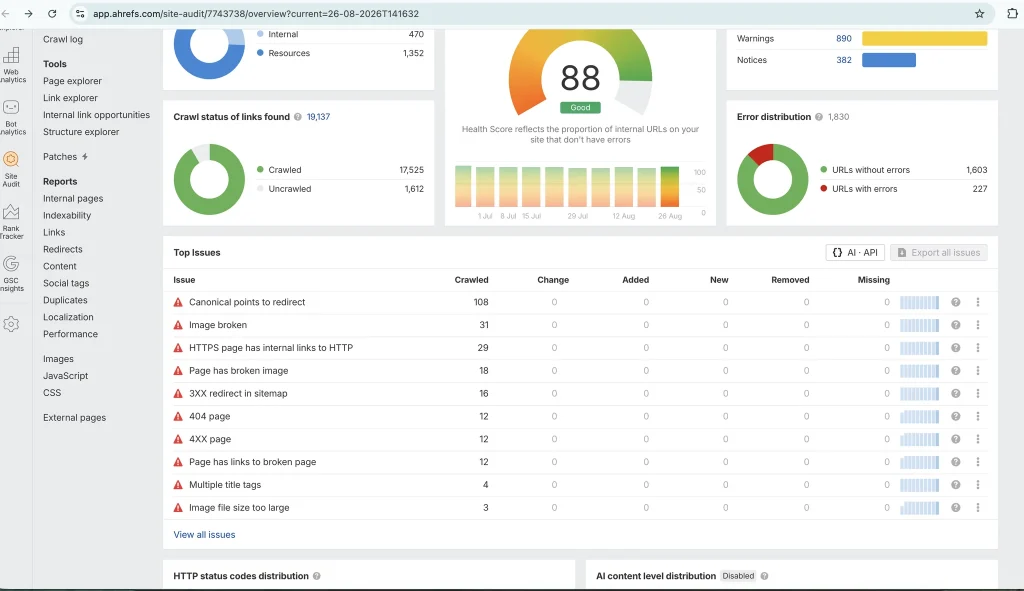
For example, you may eventually need to understand canonical URLs, redirects, structured data, crawling, indexing, JavaScript rendering, duplicate content, XML sitemaps, and site architecture.
If these terms are completely unfamiliar to you and your website depends heavily on organic traffic, hiring an experienced professional may save you time.
You should also consider the cost of learning.
If you spend 10 hours every week learning and implementing SEO, that time has a value.
Hiring someone may allow you to focus on running your business instead.
2. Consider How Much Time You Have
SEO is not usually a one-time task.
You may need to research keywords, create content, update old pages, monitor rankings, check technical issues, analyze competitors, and review performance.
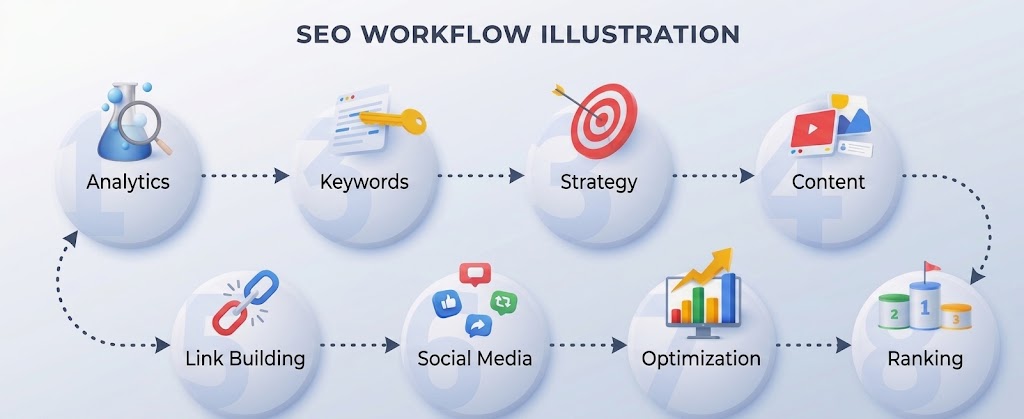
If you run a business, you already have other responsibilities.
You may need to manage employees, talk to customers, handle sales, manage finances, and work on your products or services.
SEO can easily become something you keep delaying.
You may tell yourself that you will optimize the website next week.
Then another week passes.
If you cannot consistently spend time on SEO, hiring someone can make sense.
An SEO professional can take responsibility for the ongoing work while you focus on your main business.
3. Check How Competitive Your Industry Is
Competition is another important factor.
Ranking for a keyword depends on many factors, including the quality and relevance of competing pages.
Some keywords are relatively easy to target.
Others have websites with years of content, strong backlinks, established brands, and large SEO teams competing for the same search results.
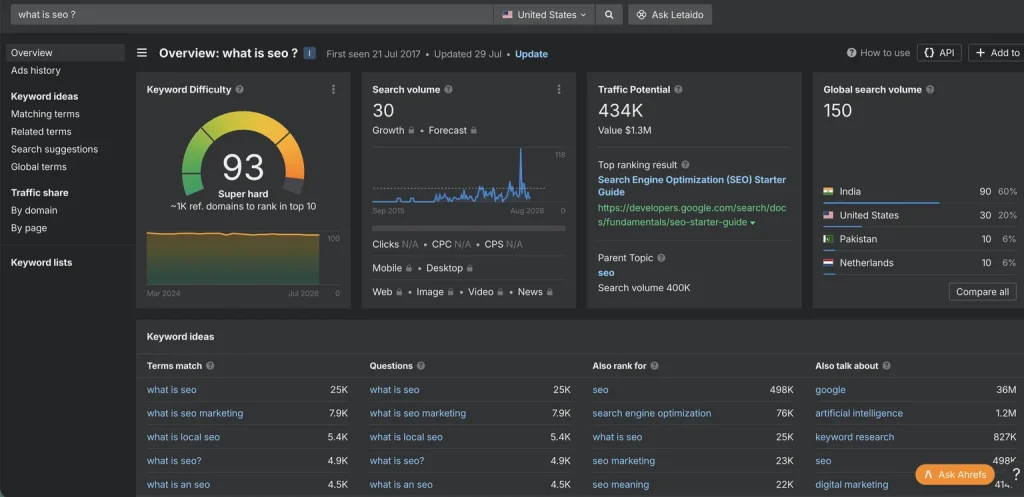
For example, ranking in SEO niche for keywords like “What is SEO ?” is very highly competitive due to high authority sites ranking in top.
If your competitors have invested heavily in SEO for years, you may need a more detailed strategy.
An SEO professional can analyze competing websites and identify opportunities that you may not notice yourself.
This does not guarantee rankings.
It simply gives you a better understanding of the competitive landscape.
4. Look at Your Current Website Performance
Before hiring someone, look at how your website performs today.
You can use tools such as Google Search Console to see how your website appears in Google Search.
Look at metrics such as clicks, impressions, click-through rate, and average position.
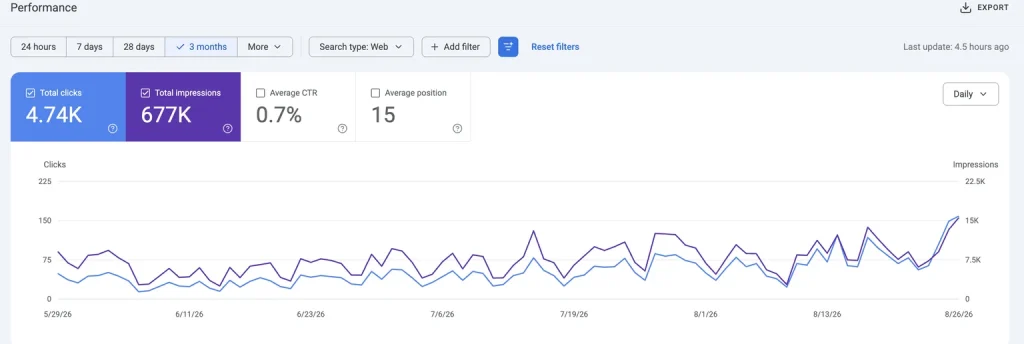
You can also check which pages receive organic traffic.
Some websites already have a strong foundation but need better content and optimization.
Other websites may have serious technical problems.
For example, Google may not be indexing important pages, your website may have broken links, or your site structure may make it difficult for search engines to discover content.
Understanding your current situation can help you decide what kind of help you need.
5. Decide What You Want SEO to Achieve
Do not hire someone simply because you think you “need SEO.”
First, define your goal.
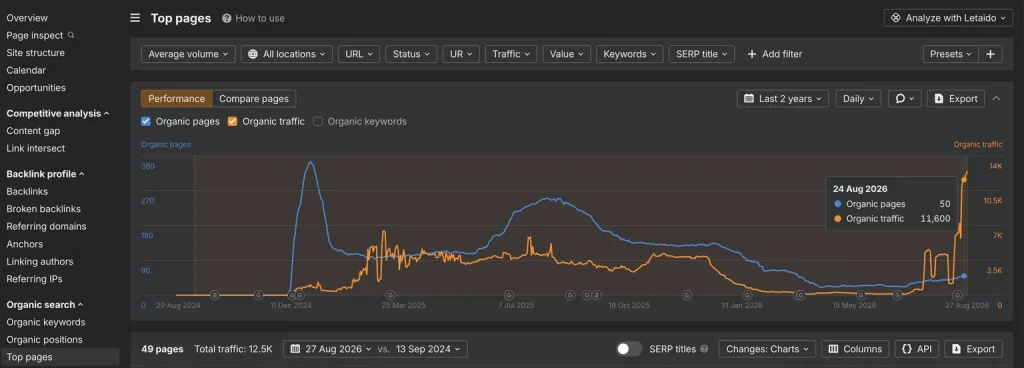
What do you want SEO to accomplish?
You may want more organic traffic.
You may want more leads, sales, rank for important commercial keywords or increase visibility in specific keywords.
Your goal affects the strategy.
For example, a business that wants more sales should not focus only on traffic.
It should target search terms used by potential customers and optimize the pages that can generate conversions.
A professional SEO should ask about your business goals before recommending a strategy.
If someone immediately sends you a generic SEO package without learning about your business, be careful.
6. You May Need Help With Technical SEO
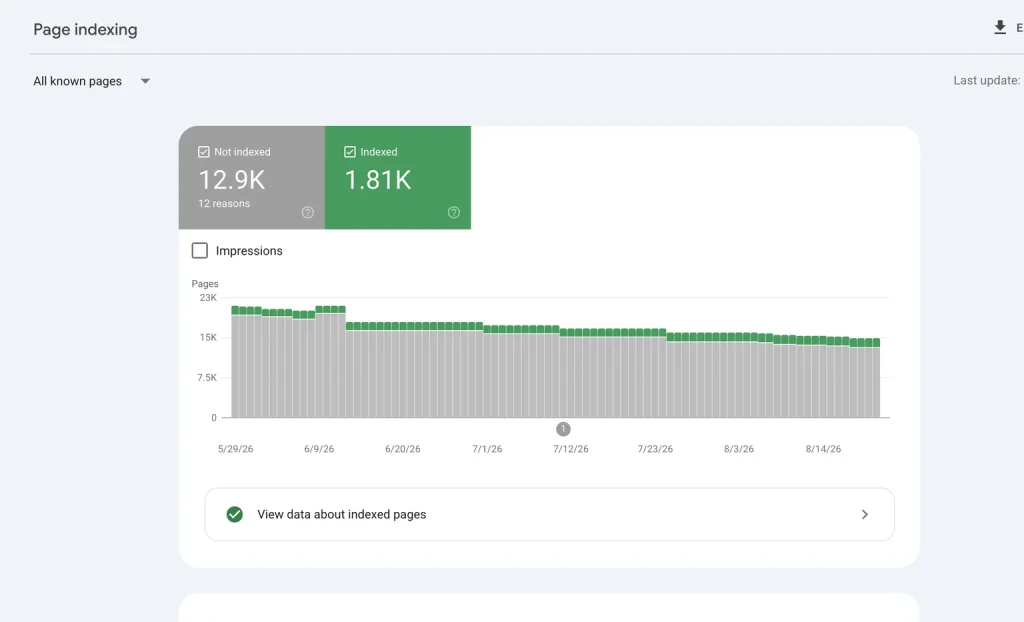
Technical SEO focuses on the parts of your website that affect crawling, indexing, performance, and website structure.
Some technical SEO tasks are simple.
Others can require development knowledge.
Common technical SEO areas include:
- XML sitemaps
- Robots.txt
- Canonical URLs
- Redirects
- Indexing
- Website architecture
- Page speed
- Mobile usability
- Structured data
- Duplicate pages
- Broken links
- HTTPS
- JavaScript rendering
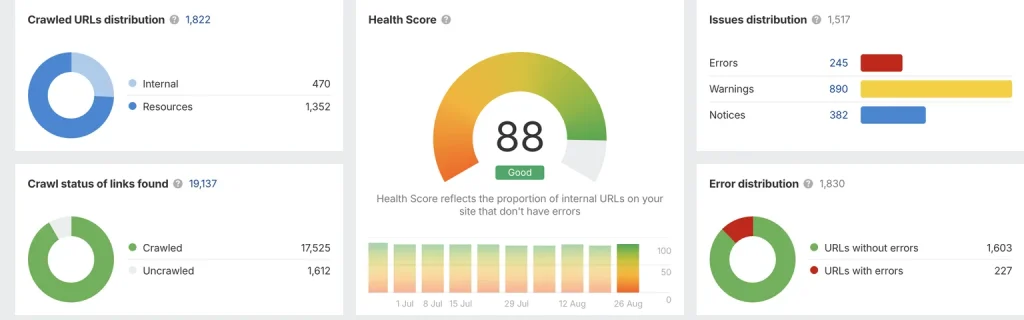
If your website has only a few pages, technical SEO may be relatively easy to manage.
A large website can be different.
An ecommerce website can have thousands of URLs.
A poorly configured website can create crawling and indexing problems that are difficult to identify without the right tools.
If you do not understand technical SEO and your website has complex problems, professional help can be useful.
7. Consider Hiring Someone for Keyword Research
Keyword research is another area where professional help can provide value.
Keywords tell you what people search for in search engines.
But choosing keywords is not simply about finding terms with the highest search volume.
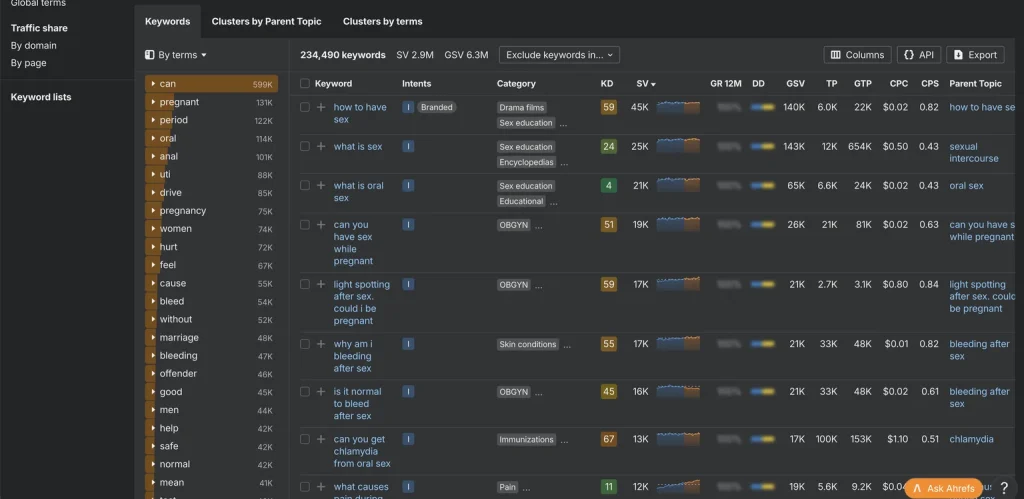
You should also consider search intent, competition, relevance, and business value.
For example, a keyword may receive thousands of searches every month but have little value for your business.
Another keyword may have only a few hundred searches but attract people who are ready to buy.
A good SEO strategy balances these factors.
An experienced SEO professional can also identify long-tail keywords and topic opportunities that may be easier to rank for.
8. Content Is a Major Part of SEO
Content is one of the most important thing in SEO.
But, publishing bulk and spam articles should never be the part of an SEO strategies.
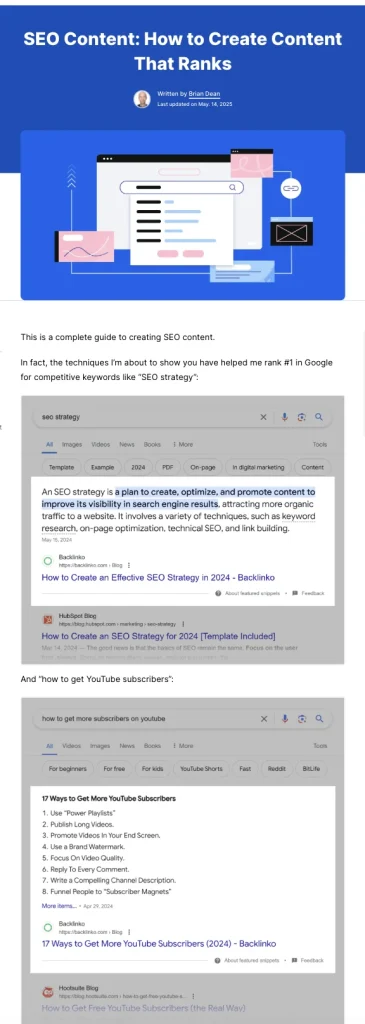
You need useful content that matches what people are searching for.
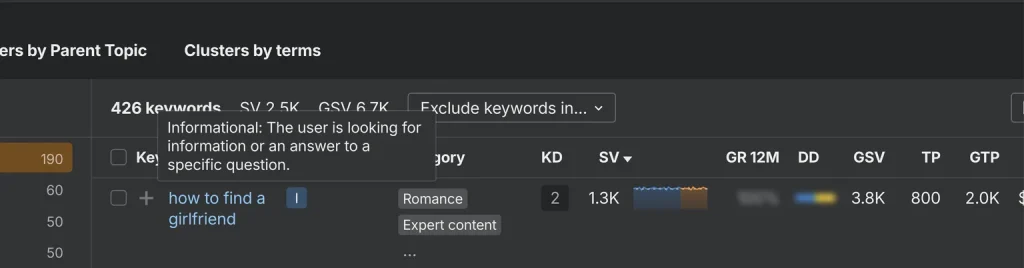
Before creating content, you should understand the search intent behind the keyword.
For example, someone searching “how to find a girlfriend” probably wants tips for impressing girls, building friendships and attracting them.
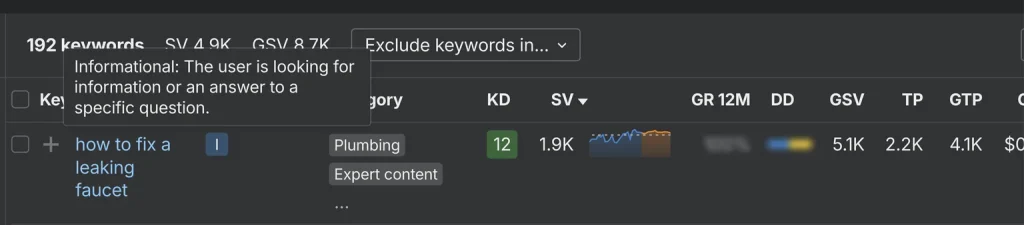
On other place someone searching for “how to fix a leaking faucet” probably wants instructions.
Someone searching “best commercial water pumps” may want to compare products.

Someone searching “water pump supplier near me” may be looking for a business.
The content should match the reason behind the search.
An SEO professional can help create a content plan based on your target audience, keywords, competitors, and business goals.
9. Link Building Can Take Time
Backlinks are links from other websites to your website.
They can help search engines discover pages and can be a useful part of an SEO strategy.
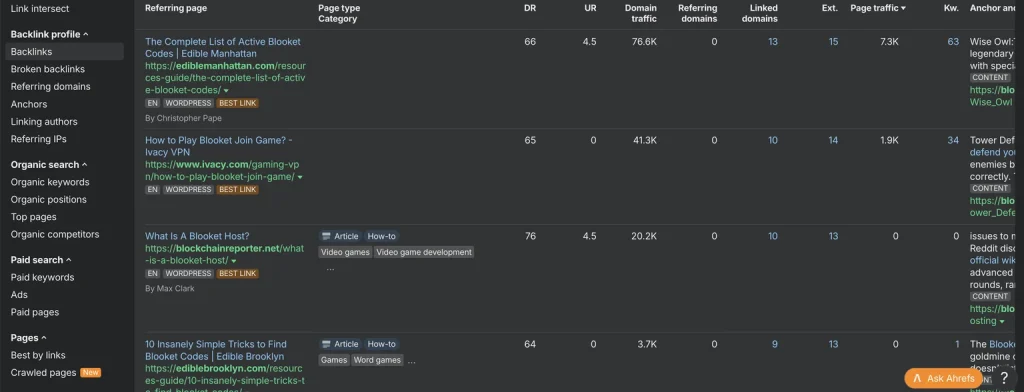
But, it really takes time.
You may need to find relevant websites, create useful resources, contact website owners, build relationships, or create content that naturally attracts links.
Not all backlinks have the same value.
You should also avoid tactics that violate search engine spam policies.
If you do not have time to manage outreach, an SEO professional may be able to handle this part of the process.
But you should always ask how they build links.
If someone promises hundreds or thousands of backlinks every month without explaining where they come from, treat that as a warning sign.
10. When You Should Do SEO Yourself
You do not necessarily need to hire someone.
Doing SEO yourself can make sense when you have a small website and enough time to learn.
It can also be a good option when your budget is limited.

You may want to handle SEO yourself if:
- You have a small website.
- You have enough time to learn.
- Your industry is not highly competitive.
- You enjoy working on your website.
- You have a limited SEO budget.
- You only need basic SEO.
- You already understand content and website optimization.
Learning SEO can also help you understand what an SEO professional does.
Even if you eventually hire someone, basic SEO knowledge can help you evaluate their work.
You do not need to become an expert.
You just need enough knowledge to understand what they are doing and why.
11. When You Should Hire an SEO Professional
Hiring someone can make sense when SEO has become too difficult or time-consuming for you.
For example, you may want to hire an SEO professional if:
- Your website has stopped growing.
- Your competitors are consistently outranking you.
- You have technical SEO problems.
- Your website has hundreds or thousands of pages.
- You do not have time to manage SEO.
- You need a clear SEO strategy.
- You want to target competitive keywords.
- Organic search generates important business revenue.
- You do not understand why your traffic has dropped.
- You need regular SEO reporting.

Hiring someone does not mean you should stop learning about SEO.
You should still understand the basics.
The goal is to have someone with the right skills handle the work that you cannot efficiently manage yourself.
12. Should You Hire an SEO Freelancer or Agency?
If you decide to hire someone, you have another decision to make.
Should you hire a freelancer or an SEO agency?
Both can work.
A freelancer may provide more direct communication and can be a good choice for smaller businesses.
An agency may have multiple specialists who work on different parts of SEO.
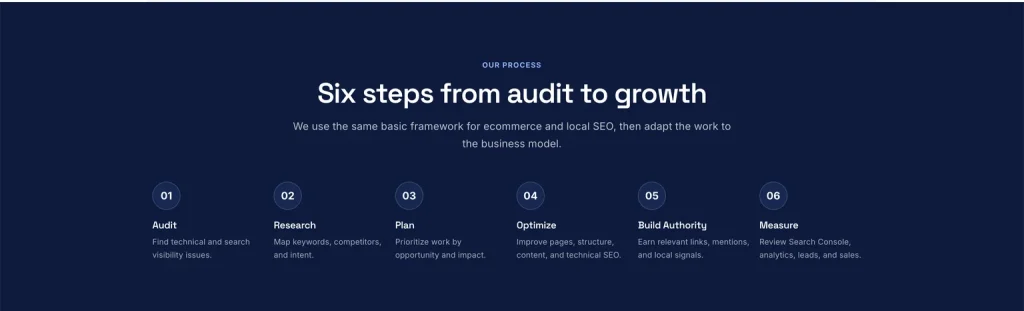
For example, an agency may have separate people working on technical SEO, content, link building, and strategy.
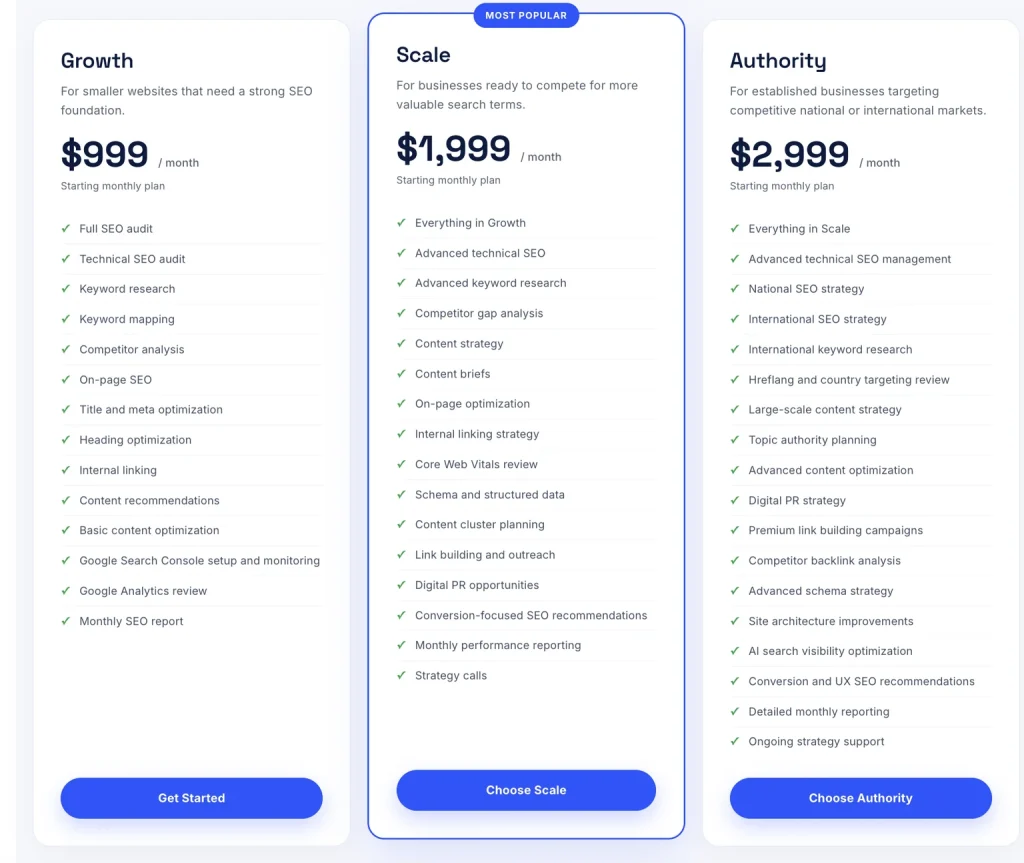
However, agencies can also cost more.
The right choice depends on your website and budget.
You should focus less on the label and more on the person’s or team’s experience, process, communication, and ability to explain their work.
13. How Much Does SEO Cost?
There is no single price for SEO.
The cost can vary based on the website, industry, competition, location, goals, and amount of work required.
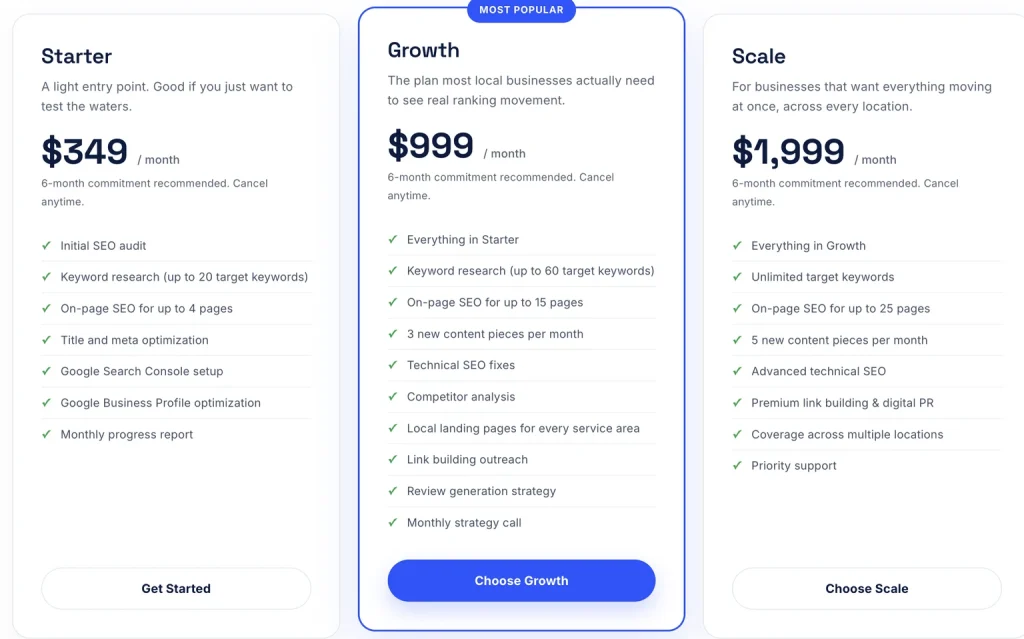
A small local business may need a smaller SEO campaign than a large ecommerce website with thousands of products.
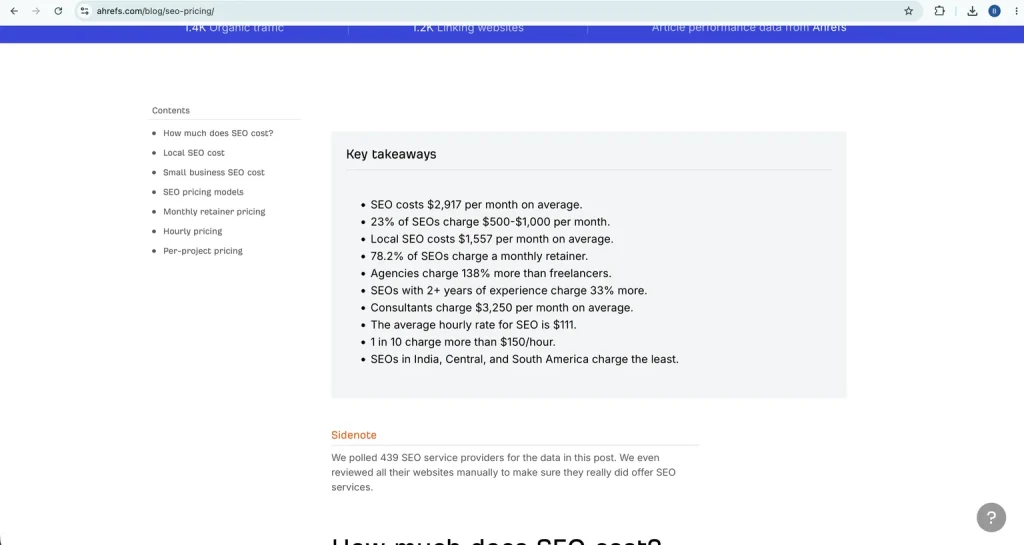
Some SEO professionals charge hourly.
Others use monthly retainers or project-based pricing.
Before agreeing to a price, make sure you understand what you are paying for.
Ask whether the price includes content, technical SEO, keyword research, link building, reporting, and strategy.
Do not choose an SEO provider only because they offer the lowest price.
Cheap SEO can sometimes result in poor-quality work.
At the same time, a higher price does not automatically mean better SEO.
You should evaluate the expected work and the provider’s experience.
14. Be Careful With SEO Guarantees
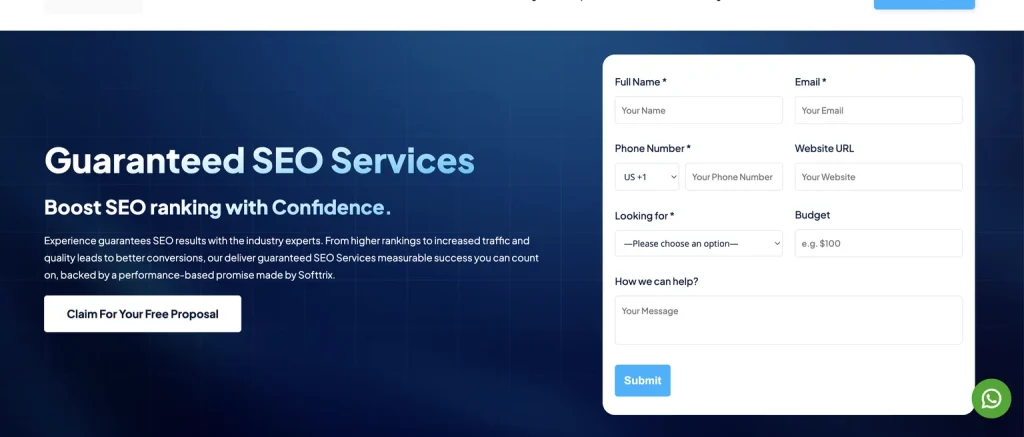
One of the biggest warning signs is an agency or freelancer promising guaranteed rankings.
Search engines control their search results.
No SEO professional can control exactly where your website will rank.
Someone may have a strong SEO process and achieve excellent results.
But that is different from guaranteeing a specific ranking.
Be especially careful with promises such as:
“Guaranteed #1 ranking.”
“Guaranteed 10,000 visitors.”
“Guaranteed results in 7 days.”
“Guaranteed backlinks from hundreds of websites.”
SEO usually takes time.
The exact timeline depends on many factors, including your website, competition, content, authority, technical condition, and search demand.
A good SEO professional should explain what they can control and what they cannot.
15. Questions to Ask Before Hiring Someone for SEO
Before signing a contract, ask questions.
You want to understand how the person or agency works.
Here are some useful questions:
What SEO work will you do each month?
This helps you understand what you are actually buying.
Have you worked with businesses similar to mine?
Relevant experience can be useful, especially in competitive industries.
How do you choose keywords?
The answer should include more than search volume.
How do you build backlinks?
This is important because poor link-building practices can create problems.
How will you measure success?
The answer should connect SEO to meaningful business goals.
How often will I receive reports?
Regular reporting helps you understand progress.
Who will work on my website?
Some agencies sell the service but outsource much of the work.
Can I cancel the contract?
Understand the terms before signing.
These questions can help you avoid hiring someone who cannot clearly explain their process.
16. Signs You May Not Need SEO Help Yet
There are situations where hiring an SEO professional may not be the best use of your money.
For example, your website may not yet have a clear product or service.
You may also have a very small website with little competition.
If you are still building the business itself, you may want to focus on the product, customers, branding, and sales before investing heavily in SEO.
You should also consider whether people actually search for what you offer.
SEO can increase visibility for existing search demand.
It cannot create unlimited demand for a product that nobody wants.
That is why SEO should support a broader business strategy.
17. How to Choose the Right SEO Professional
If you decide to hire someone, do not rush the decision.
Research several providers.
Look at their website.
Read their case studies.
Ask for examples of previous work.
Pay attention to how they communicate.
Do they ask questions about your business?
Do they explain SEO in a way you understand?
Do they talk about your goals?
Do they explain what they will actually do?
These details matter.
You should also check whether their previous results are supported by real data.
A good case study should explain the starting point, work completed, timeframe, and results.
Be careful with vague claims.
18. Can You Learn SEO Yourself?
Yes.
You can learn many parts of SEO yourself.
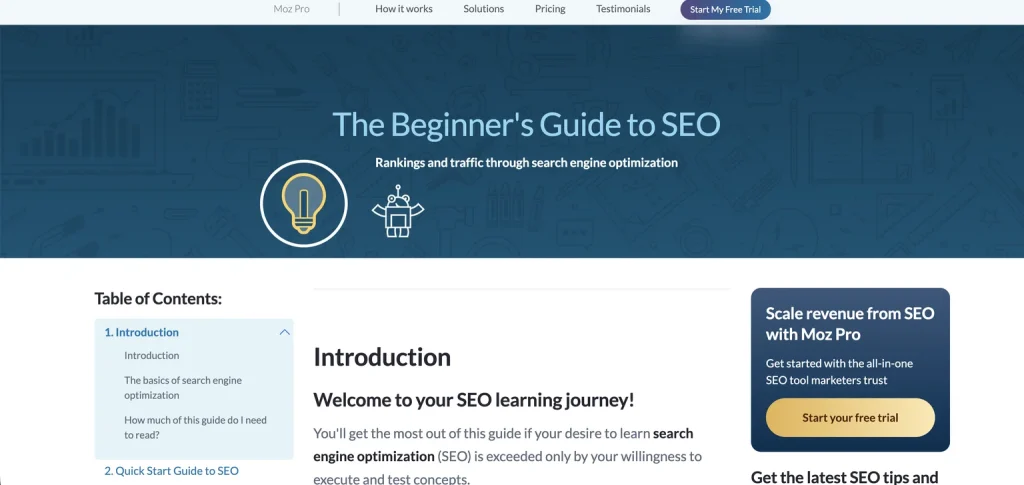
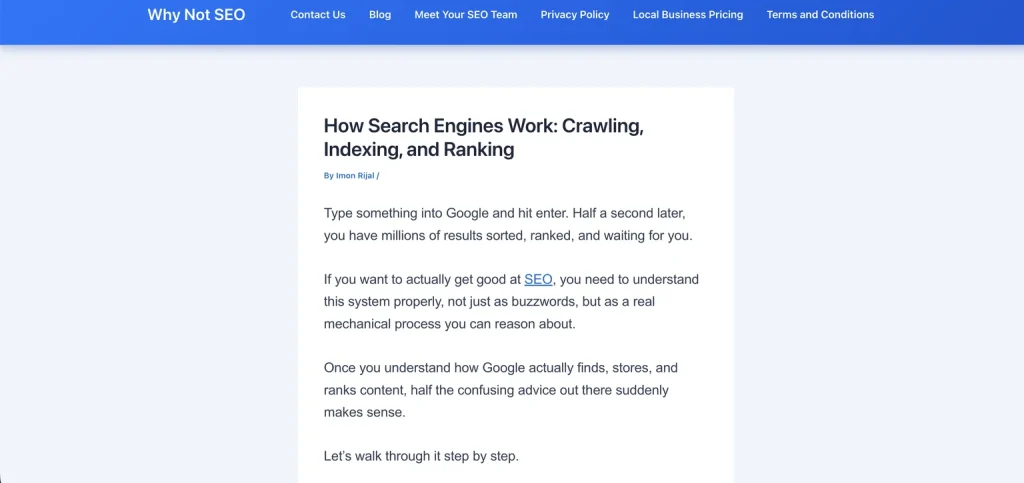
There are free resources available from search engines, SEO companies, websites, and educational platforms.
Learn how search engines crawl and index websites.
Then learn keyword research, search intent, on-page SEO, internal linking, technical SEO, content optimization, and link building.
You can practice on your own website.
This can help you understand what works and what does not.
However, learning SEO takes time.
If you would rather focus on your business, hiring an experienced professional may be more practical.
19. A Simple Way to Make the Decision
Still not sure whether you should hire someone?
Ask yourself five questions.
1. Do I have enough time to do SEO consistently?
If no, professional help may make sense.
2. Do I understand the SEO work my website needs?
If no, you may benefit from an expert.
3. Is SEO important for my business?
If organic search can generate significant leads or revenue, SEO may deserve more investment.
4. Is my industry highly competitive?
If yes, professional research and strategy may provide an advantage.
5. Can I afford to invest in SEO without expecting instant results?
If no, you may want to start with basic SEO yourself.
If you answered “yes” to most of these questions, hiring someone may be worth considering.
If you answered “no” to most of them, you may be better off learning and managing basic SEO yourself for now.
What Should You Expect After Hiring an SEO Professional?
Do not expect your website to jump to the top of Google immediately.
Good SEO usually requires research, implementation, testing, and ongoing improvement.
During the first stage, an SEO professional may audit your website and research your competitors.
They may then identify technical problems, keyword opportunities, content gaps, and pages that need improvement.
After implementation, they should monitor performance and adjust the strategy based on data.
SEO is an ongoing process.
Search results change.
Competitors publish new content.
Search behavior changes.
Your business may also introduce new products or services.
A good SEO strategy should adapt to these changes.
What If Your SEO Traffic Is Already Growing?
If your website is already growing from organic search, you may not need to hire someone immediately.
You should first understand what is working.
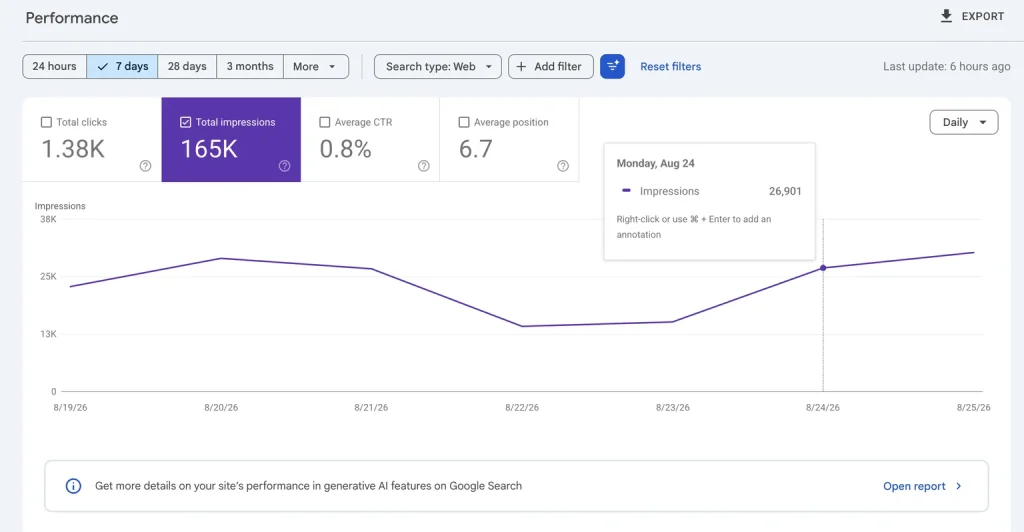
Look at the pages receiving traffic.
Check which keywords bring visitors.
Review which pages generate leads or sales.
You can then decide whether professional help could accelerate that growth.
Do not change a successful SEO strategy simply because you think you need more SEO work.
Sometimes the best decision is to continue improving what already works.
Should You Hire Someone for SEO?
So, should you hire someone for SEO?
There is no answer that works for every website.
If you have the time and interest to learn SEO, you can handle many SEO tasks yourself.
If you run a larger business, have a competitive market, lack the necessary knowledge, or cannot consistently spend time on SEO, hiring an SEO professional may be a better option.
The most important thing is to hire someone for the right reason.
Do not hire an SEO professional simply because someone told you that every website needs an agency.
First, identify your goals.
Then understand your current SEO situation.
After that, decide whether you have the time and skills to handle the work yourself.
If you do not, find a professional who can explain their strategy, show relevant experience, and connect their work to your business goals.
Final Thoughts
SEO can be complicated, but you do not always need an expert.
A small website with a motivated owner can often handle basic SEO with enough time and learning.
A larger website or competitive business may benefit from professional help.
The decision comes down to your time, knowledge, competition, goals, and budget.
Before hiring someone, research your options and ask clear questions.
Avoid guaranteed ranking promises.
Look for real experience.
Understand what the provider will actually do.
Most importantly, make sure the SEO strategy supports your business instead of focusing only on rankings and traffic.
If SEO can bring valuable customers to your business, investing in the right SEO help can be worthwhile.